Most wine and spirits brands are running social media the way they ran it in 2017. Pretty bottle shot, vague caption about “craftsmanship,” a hashtag nobody searches, post on Tuesday because someone read that Tuesday is the day. Then they wonder why the account does nothing for the business.
We have run social for beverage brands since 2008, across more than 30 wine and spirits labels including Kendall-Jackson, Penfolds, and a decade-long Mezzacorona partnership. Here is what actually moves the needle now, and what to stop wasting money on.
Do wine and spirits brands even need social media?
Yes, but not for the reason most people think. The job of social for a beverage brand is rarely direct sales. You cannot ship a bottle through a comment section, and three-tier distribution means the person buying on Instagram is not the person you actually sell to. The real job is three things: keeping the brand top of mind so the consumer asks for it by name at the shelf and the bar, giving distributors and trade buyers proof the brand has consumer pull, and feeding the content library your whole marketing operation runs on. A brand with a strong, consistent feed closes distributor meetings faster. That is the proof that matters.
What works for a wine label is not what works for a spirits brand
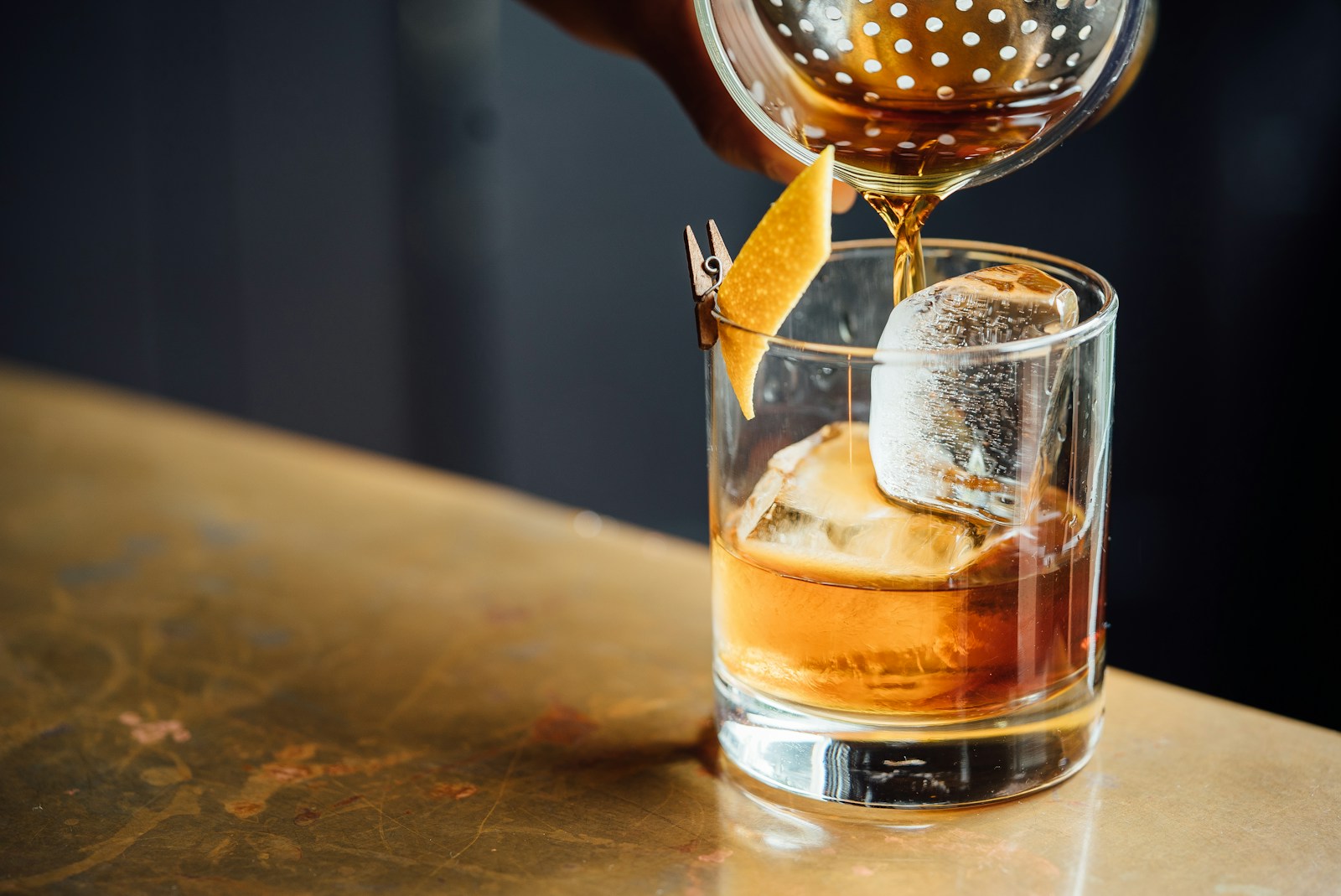
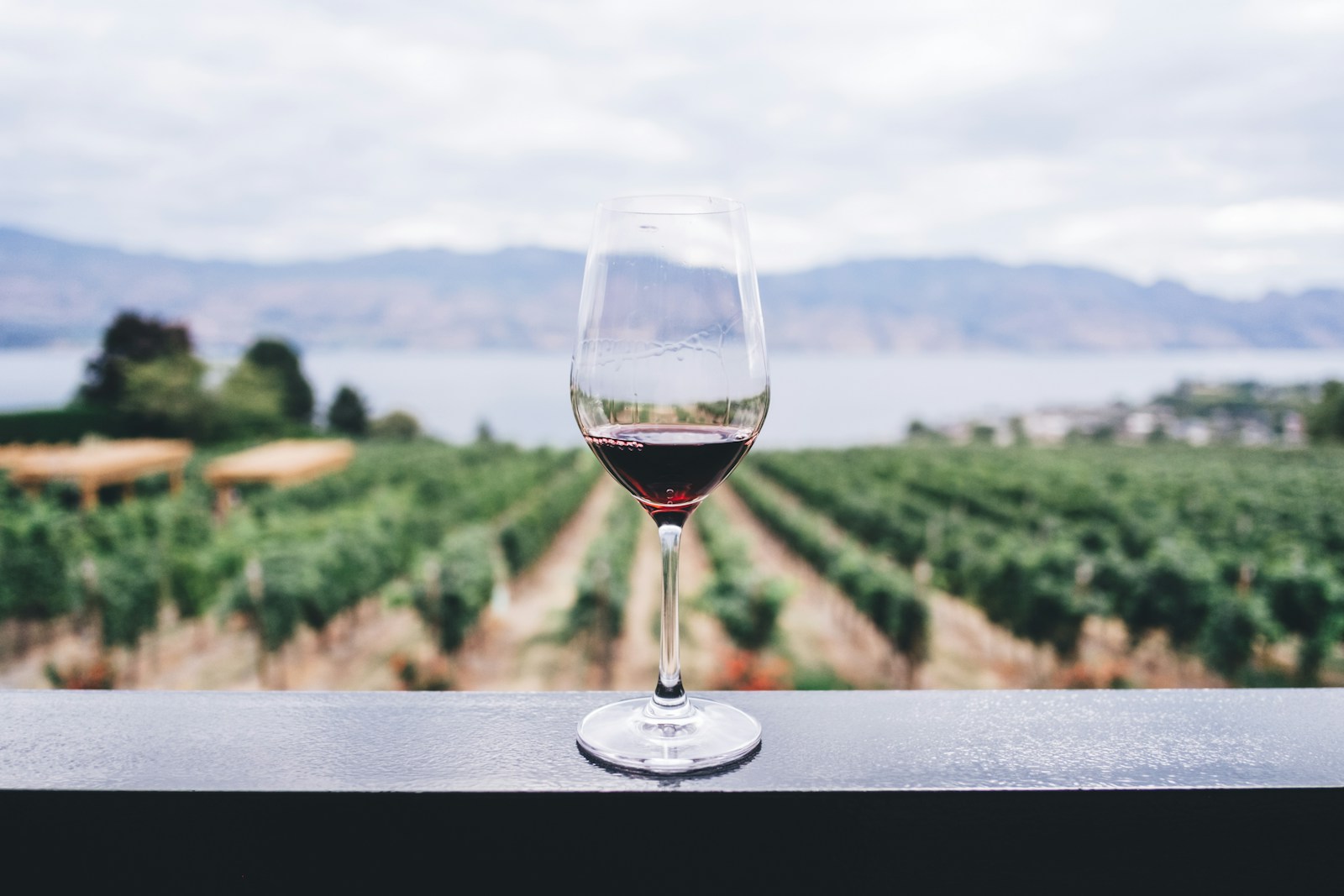
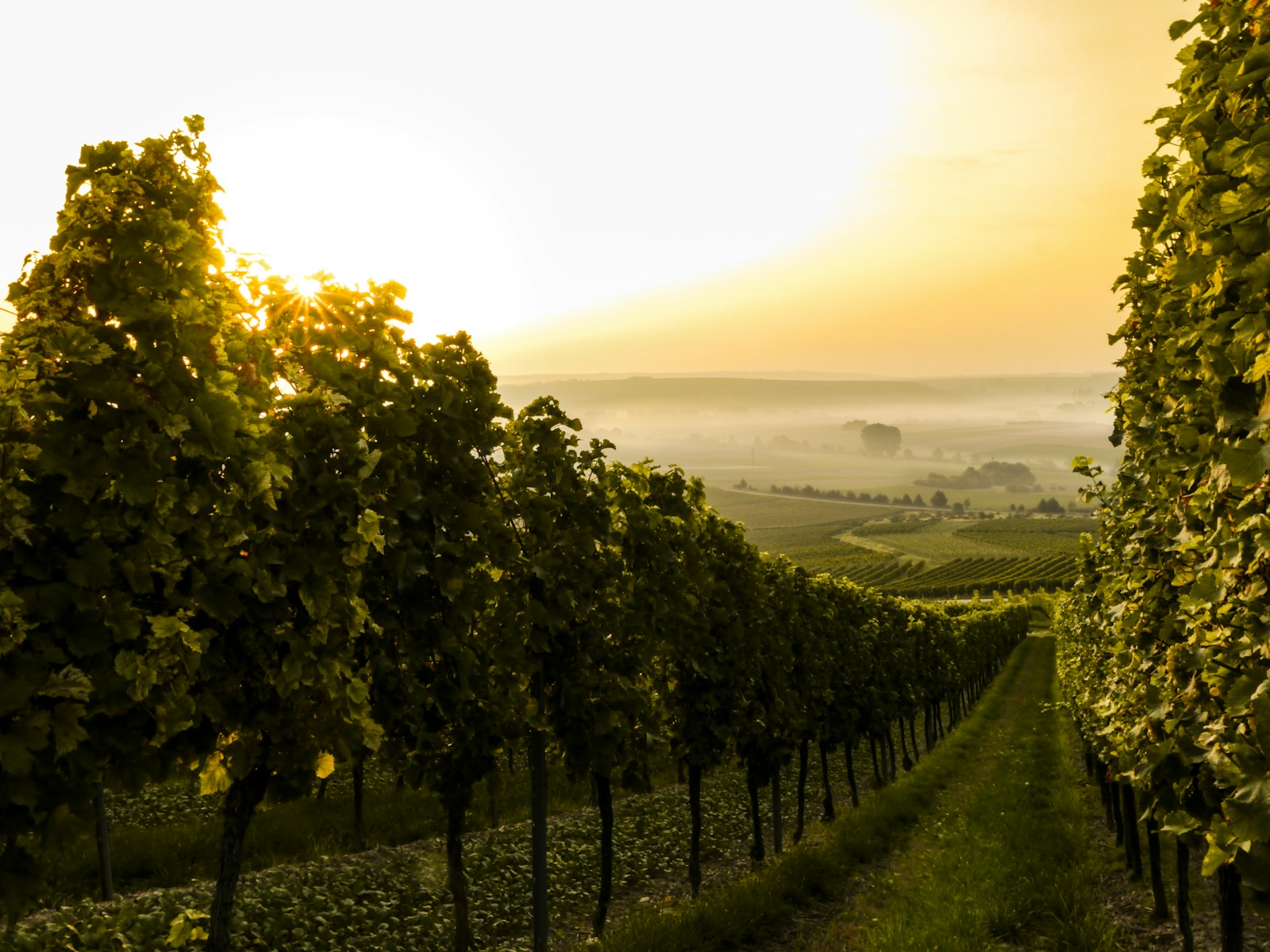
Wine sells on place, story, and occasion. The mountain, the vintage, the dinner table. Spirits sell on identity, ritual, and the serve. The cocktail, the bar, the night out. Run the same content strategy across both and one of them will always feel off. Wine content should slow down and build aspiration. Spirits content should speed up and show the moment. Get the tempo wrong and the audience scrolls past, no matter how good the photography is.
The compliance trap that quietly kills beverage accounts
This is where most brands and most generalist agencies get burned. Alcohol social has rules that other categories do not: mandatory age-gating, platform-specific advertising restrictions, responsibility messaging, and a hard line between trade communication and consumer communication that you cannot blur. Post the wrong creator partnership without age-gating and you can lose the account or draw a regulator’s attention. An agency that learned beverage on the job will find this out the expensive way. An agency that has run wine and spirits since 2008 builds it in from the first post. Compliance is not a constraint we work around. It is part of the craft.
Organic versus paid: where the money actually goes
The honest split for most beverage brands is this. Organic builds the brand’s voice, library, and trade proof. Paid does the heavy lifting on reach and any direct-to-consumer push where it is legal. The mistake is treating them as separate budgets run by separate people. The brands that win use organic to find which messages and creatives land, then put paid behind the winners. If your agency is running organic and paid as two disconnected programs, you are paying twice and learning half as much.
How to tell if your agency actually knows wine and spirits
Ask three questions. First, can they name the compliance rules for your category and platforms without looking them up? Second, do they understand three-tier distribution and why a distributor cares about your follower growth? Third, can they show beverage work that ran for years, not a one-off campaign? Long retainers are the tell. Beverage brands that stay with an agency for three, five, ten years do it because that agency holds the brand voice and the institutional memory of what worked. That is not luck. That is the moat.
The receipts
We added close to a million followers across the Mezzacorona portfolio over a decade. We have run the Kendall-Jackson portfolio across lifestyle and wine education. On the hospitality side, Barsha landed the LA Times Top 101 Restaurants two years running, plus BuzzFeed, Thrillist, and NBC LA, all organic. Wine and spirits has been our home vertical since 2008, not a line item we added when the category got hot.
If your social feels like it is running on a 2017 playbook, that is fixable.
See how we would approach your label →
Fifty & Five is a wine and spirits marketing agency, senior-led since 2008 with three-tier compliance built in.
Do wine and spirits brands need social media?
Yes. For beverage brands the job of social media is brand recall at the shelf and bar, proof of consumer pull for distributors and trade buyers, and building the content library the rest of marketing runs on, rather than direct sales, which three-tier distribution limits.
What is the biggest mistake in wine and spirits social media?
Ignoring alcohol marketing compliance. Beverage social requires age-gating, platform-specific advertising restrictions, responsibility messaging, and a clear separation between trade and consumer communication. Generalist agencies often learn these rules the expensive way.
Should wine and spirits brands focus on organic or paid social?
Both, connected. Organic builds brand voice, content library, and trade proof and reveals which messages land. Paid scales the winning creatives and handles compliant direct-to-consumer reach. Run separately they cost more and teach less.