David vs. Goliath: The Boutique Wine Challenge
Let's face it: in the wine world, the big brands have deep pockets. They roll out massive marketing campaigns, sponsor major events, and secure prime shelf space that smaller producers can only dream about. But here's the plot twist – social media has become the great equalizer, the slingshot that today's boutique wine Davids can use against the industry Goliaths.
At Fifty & Five, we've helped craft success stories for wine brands of all sizes, including Kendall Jackson. What we've discovered is that smaller, boutique wineries often have something the giants don't: authentic stories, passionate founders, and distinctive character that resonates deeply in today's social-first world.
Why Social Media Is Your Secret Weapon
Before diving into tactics, let's uncork why social media is particularly powerful for boutique wine brands:
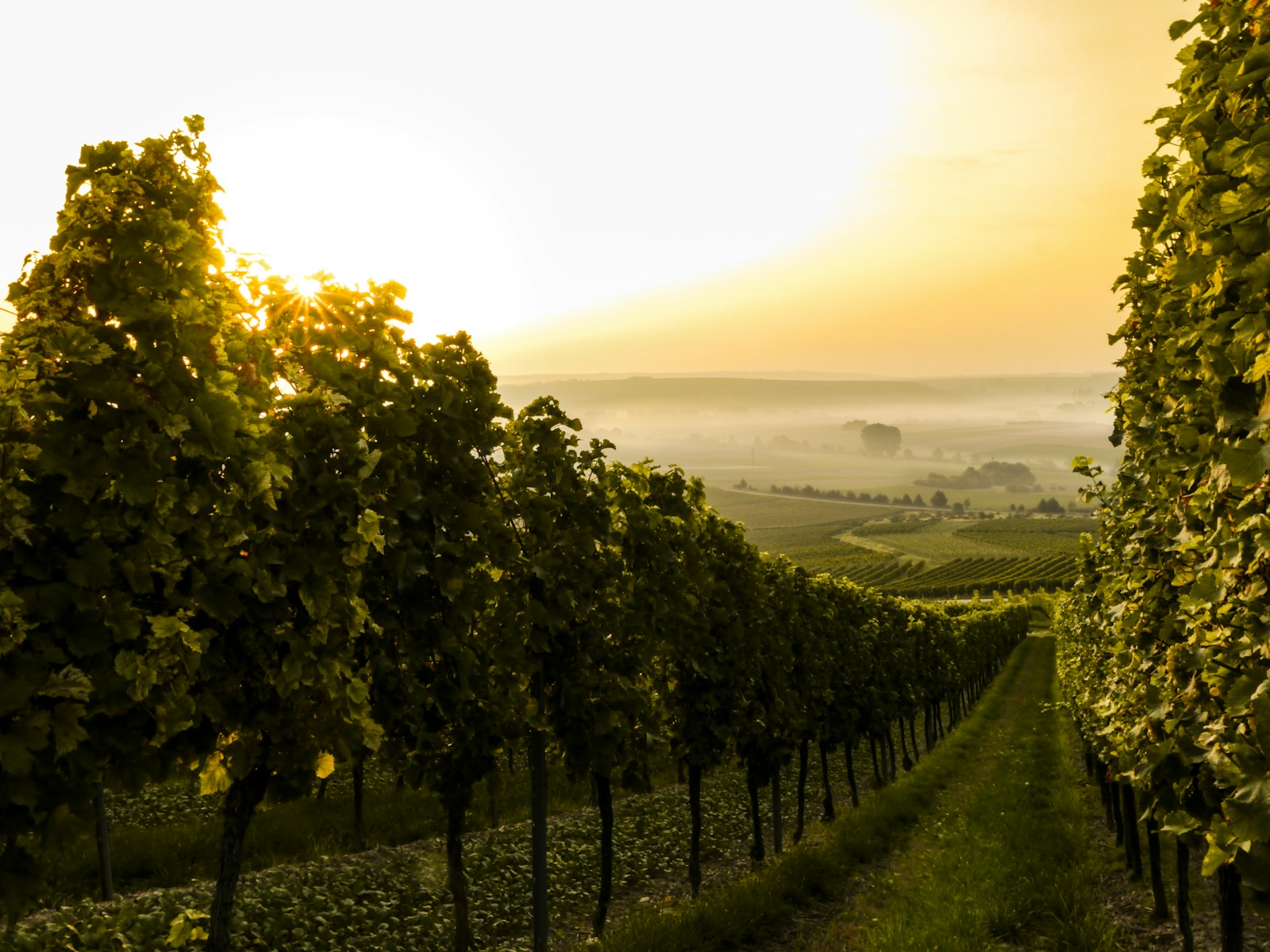
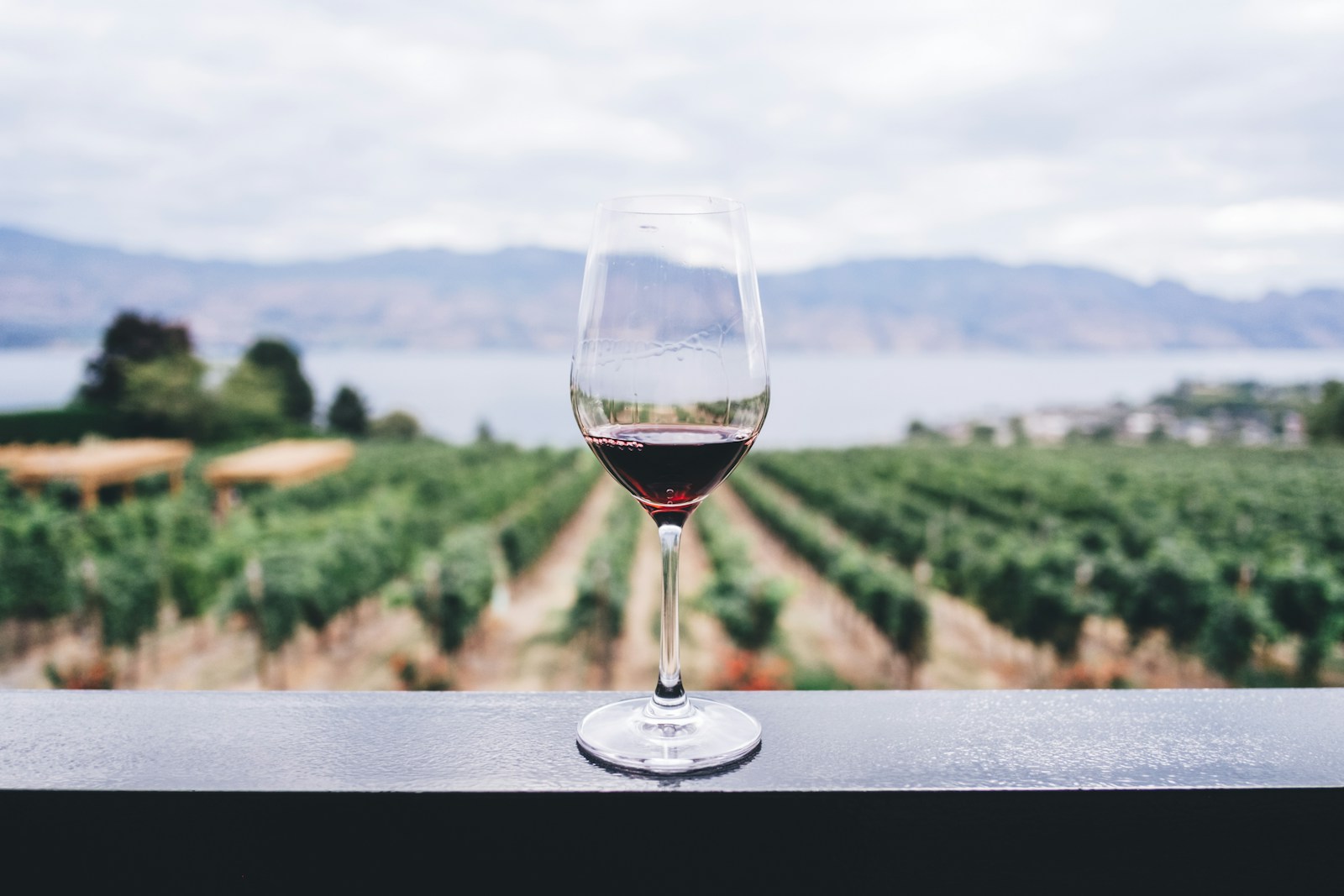
- It's visual-first – Wine is inherently photogenic, from vineyard sunsets to the perfect pour
- It's story-driven – Small producers typically have compelling founding stories and unique production methods
- It's community-building – Wine enthusiasts love discovering and championing hidden gems
- It's cost-effective – Dollar for dollar, social media provides better ROI than traditional advertising for small brands
Now, let's explore exactly how your boutique wine brand can build a social strategy that turns heads and wins hearts.
Know Your Audience (Hint: It's Not "Everyone Who Drinks Wine")
The first mistake many wine brands make is casting too wide a net. "Wine drinkers" isn't a target audience – it's a third of the adult population.
Micro-targeting is your friend. While big brands aim for mass appeal, your boutique winery should focus on specific segments where your unique attributes will resonate most strongly:
- Natural wine enthusiasts seeking minimal-intervention products
- Local supporters passionate about regional producers
- Food pairing aficionados looking for specific complementary wines
- Sustainability-focused consumers who value eco-friendly practices
- Gift-givers seeking unique, story-rich products for special occasions
Creating detailed audience personas lets you craft content that speaks directly to these groups rather than shouting into the void.
Platform Selection: Don't Try to Be Everywhere
Another advantage small brands have? The ability to focus resources where they'll make the biggest impact, rather than spreading themselves thin across every platform.
For most boutique wine brands, we recommend prioritizing:
Instagram – The visual nature makes it perfect for showcasing your wines, vineyard, and production process. Stories and Reels create immersive experiences that build connection.
Facebook – Still valuable for reaching wine consumers 35+ with more detailed content like winemaker interviews, harvest updates, and wine education.
TikTok – If your brand has personality and isn't afraid to show the human side of winemaking, TikTok can generate massive awareness among younger consumers.
Pinterest – Often overlooked but extremely valuable for wine brands, as it's used heavily for entertaining ideas, gift research, and recipe planning.
Each platform requires its own content approach. The polished product photography that works on Instagram might feel inauthentic on TikTok, where behind-the-scenes bloopers and day-in-the-life content typically perform better.
Content That Converts: Beyond Bottle Shots
Let's be honest – there are only so many ways to photograph a wine bottle. The brands that stand out go deeper, telling stories that connect emotionally with consumers.
1. Behind-the-Scenes Access
Take followers where the big brands rarely go – into the nitty-gritty of winemaking. Show the 4am harvest starts, the hand-sorting of grapes, the late nights during crush. This transparency creates authenticity that mass-market wines simply can't match.
2. The People Behind the Pour
Wine is fundamentally about people. Showcase your winemaker's journey, your tasting room staff's favorite pairings, or the multi-generational family story behind your vineyard. Faces connect more powerfully than labels.
3. Educational Content with Personality
Wine can be intimidating. Brands that demystify without dumbing down build loyalty. Create content that educates about your region, grape varieties, or production methods – but do it with personality, not pretension.
4. User-Generated Content Campaigns
Encourage customers to share their experiences with your wine through branded hashtags and contests. This not only provides free content but also creates authentic social proof that's more convincing than any marketing copy.
Collaborations That Amplify Your Reach
Micro-Influencer Magic
While big brands chase celebrities, boutique wineries often get better results working with micro-influencers (typically 5,000-50,000 followers) who have highly engaged audiences interested in wine, food, or local experiences.
Look for influencers who:
- Have engagement rates above 3% (far more important than follower count)
- Create authentic content that aligns with your brand aesthetics
- Demonstrate genuine knowledge about wine (or at least enthusiasm to learn)
- Have audiences that match your target demographics
Cross-Industry Collaborations
Some of the most successful boutique wine promotions we've seen involve partnerships with complementary businesses:
- Local restaurants featuring paired menu items
- Artisan food producers creating wine and cheese/chocolate content
- Boutique hotels offering special tasting packages
- Local artists designing limited edition labels
Leverage Data Without Being Creepy
Smart data strategies for smaller wine brands:
- Track what content performs best and double down on those formats
- Use geotargeting for event promotion to reach potential visitors in your region
- Retarget website visitors who browsed but didn't purchase
- A/B test different visual styles to see what drives engagement
- Analyze seasonal trends to time content with peak interest periods
Community Building: Your Sustainable Advantage
Virtual Tastings
Host regular online tastings where participants can purchase kits in advance and join for a guided experience. These events create connection while generating direct sales.
Wine Club Exclusivity
Use social platforms to highlight the special perks of club membership, creating FOMO among followers who haven't yet joined.
Crowdsourced Decisions
Involve your audience in real business decisions – from naming a new blend to choosing label designs – creating investment in your brand's success.
Local Advocacy
Showcase how your winery contributes to the local community, whether through sustainable farming practices, employment opportunities, or preservation of agricultural land.
The Power of Consistency and Authenticity
The most successful boutique wine brands on social media share two traits: consistency in posting and unwavering authenticity.
Consistency doesn't mean posting 5 times daily – it means establishing a realistic, sustainable rhythm your audience can count on. For many small wineries, that might be 3-4 quality posts per week rather than daily content that feels forced.
Authenticity means embracing what makes your brand unique, even if (especially if) that means showing the imperfect, human side of winemaking. The filtered perfection that dominated early social media has given way to a preference for genuine connection.
Measuring Success Beyond Likes
How do you know if your social strategy is working? Boutique wine brands should focus on indicators that connect more directly to business goals:
- Website traffic from social channels (and subsequent conversion rates)
- Tasting room visits attributed to social discovery
- Wine club sign-ups influenced by social content
- Direct message inquiries about purchasing
- Earned media mentions resulting from social visibility
Your Next Steps: Starting Small to Win Big
- Audit your existing content to identify what's already resonating
- Choose 1-2 platforms to focus on initially based on your target audience
- Create a content calendar that's ambitious yet sustainable
- Identify 5-10 potential micro-influencers aligned with your brand values
- Set clear, measurable goals tied to business objectives
Remember that social media success for wine brands is rarely overnight – it's built glass by glass, story by story, connection by connection.
At Fifty & Five, we've helped wine brands of all sizes discover their unique voice and build strategies that convert social engagement into lasting customer relationships. The beauty of social media marketing is that with creativity and authenticity, the smallest producers can create the biggest impressions.
Your boutique winery already has the ingredients for social media success – distinctive products, passionate people, and stories worth sharing. Now it's simply a matter of uncorking that potential.
Fifty & Five is a wine and spirits marketing agency, senior-led since 2008 with three-tier compliance built in.
Which social media platforms should a boutique winery focus on?
Fifty & Five recommends most boutique wine brands prioritize Instagram, Facebook, TikTok, and Pinterest rather than trying to be everywhere. Instagram suits wine, vineyard, and production visuals through Stories and Reels; Facebook reaches wine consumers 35 and older with winemaker interviews and wine education; TikTok can generate awareness among younger consumers if the brand shows its human side; and Pinterest is used heavily for entertaining ideas, gift research, and recipe planning. Starting with one or two platforms is advised.
How often should a small winery post on social media?
For many small wineries, 3 to 4 quality posts per week works better than daily content that feels forced. Consistency does not mean posting five times a day; it means establishing a realistic, sustainable rhythm the audience can count on. The most successful boutique wine brands on social media pair that consistency with authenticity, embracing the imperfect, human side of winemaking instead of the filtered perfection that dominated early social media.
How can small wine brands compete with big wine brands on social media?
Small wineries can compete by micro-targeting specific audience segments, telling authentic stories the big brands cannot, and partnering with micro-influencers. Rather than targeting all wine drinkers, boutique brands should focus on groups like natural wine enthusiasts, local supporters, food pairing aficionados, sustainability-focused consumers, and gift-givers. Behind-the-scenes content such as 4am harvest starts and hand-sorting grapes creates authenticity mass-market wines cannot match, and micro-influencers with 5,000 to 50,000 followers and engagement rates above 3% often outperform celebrities.